Top 16 Korean Drama Shorts That Will Hook You Instantly
Apr 21, 2026
One Battle After Another follows characters shaped by pressure, loyalty, and the quiet weight of repeated conflict. Rather than chasing spectacle, this title lets restrained performances and tense silences do the work, showing how each confrontation leaves lasting marks.
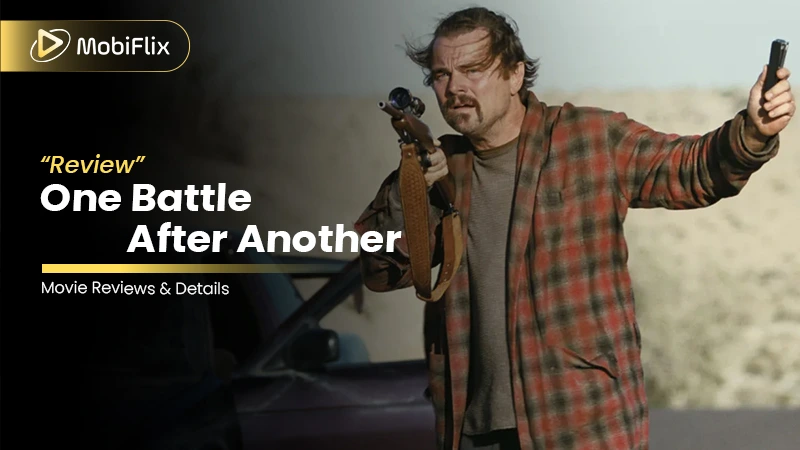
One Battle After Another Review
Our review echoes critical reactions, which highlighted the film’s controlled tone and character-first storytelling.
One Battle After Another, the action-thriller directed by Paul Thomas Anderson and starring Leonardo DiCaprio, received its theatrical release in the United States on September 26, 2025. The film also opened in select international markets around the same period, following a coordinated global rollout.

One Battle After Another Key Features
The story is adapted from Vineland, the novel by Thomas Pynchon, and carries a long-form runtime that aligns with director-driven, narrative-heavy releases.
Key release details are as follows:
For theatrical viewing, availability depends on region and cinema programming. Showtimes are concentrated in major cities and independent theaters, with schedules varying week to week. Viewers looking for current screenings should check local theater listings and ticketing platforms close to their preferred viewing date, as limited runs may shift quickly.
One Battle After Another centers on Bob Ferguson, a former member of a radical group known as the French 75, who is forced back into action when his daughter disappears. The story unfolds as Bob reconnects with past allies and confronts figures tied to earlier ideological conflicts, revealing how unresolved choices continue to shape the present.
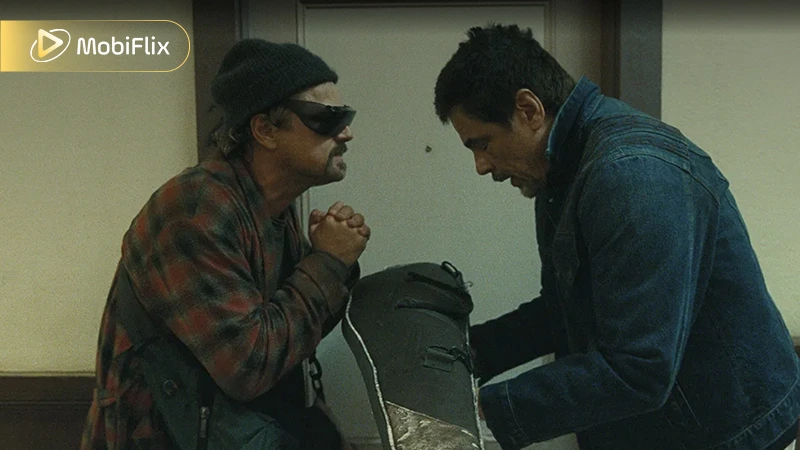
What Is One Battle After Another About?
Rather than following a single mission-driven arc, the narrative is structured around a chain of consequences. Each encounter pushes the story forward not through escalation, but through revelation. Exposing fractures in loyalty, belief, and personal responsibility. Conflicts are often indirect, with tension emerging from negotiation, surveillance, and moral pressure rather than direct confrontation.
The film moves across different settings and phases of Bob’s life, linking past actions to current stakes. This structure allows the story to examine how political movements age, how personal identities shift over time, and how private relationships are affected by public causes. The result is a plot driven by cause-and-effect decisions, where the outcome depends less on victory and more on what characters are willing to sacrifice or preserve.
This movie relies on a small but focused ensemble, with performances built around restraint and character tension rather than spectacle. Below are the principal cast members and their roles in the story.
Bob Ferguson (Leonardo DiCaprio): A former member of the radical French 75 and the story’s central figure, forced back into conflict to protect his daughter.

Bob Ferguson (Leonardo DiCaprio)
Leonardo DiCaprio delivers a restrained and layered performance. His performance conveys exhaustion and resolves through minimal dialogue and controlled physicality.
Col. Steven J. Lockjaw (Sean Penn): A corrupt military officer pursuing the French 75, Lockjaw embodies institutional opposition and escalating tension.

Col. Steven J. Lockjaw (Sean Penn)
Sean Penn plays authority with cold precision, using clipped delivery and presence to create constant pressure rather than overt menace.
Sergio St. Carlos (Benicio del Toro): Willa’s karate sensei and community leader who aids Bob, reflecting loyalty and grassroots resilience.

Sergio St. Carlos (Benicio del Toro)
Benicio del Toro brings grounded warmth and quiet intensity. His role anchors the film’s emotional core through subtle gestures and measured reactions.
Deandra (Regina Hall): A fellow French 75 member whose loyalty and immediacy add emotional stakes to the struggle.
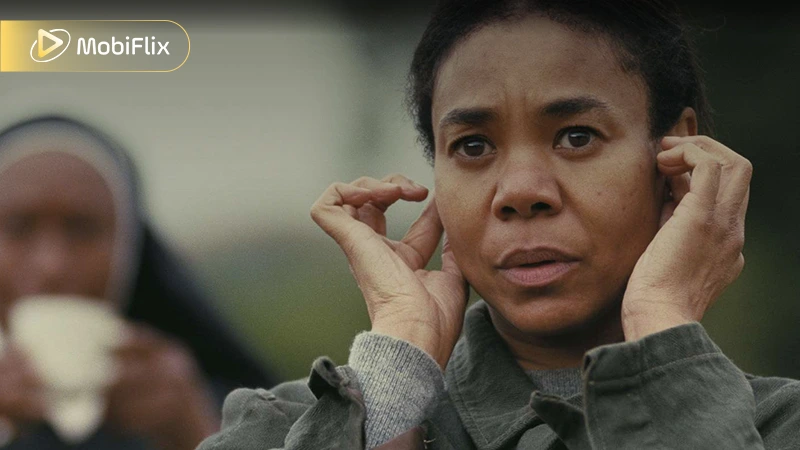
Deandra (Regina Hall)
Regina Hall adds emotional immediacy and tension, balancing sharp instincts with vulnerability that deepens the group’s internal dynamics.
Perfidia Beverly Hills (Teyana Taylor): French 75 member, Willa’s mother and Bob’s partner, a key figure whose past choices shape the central conflict.
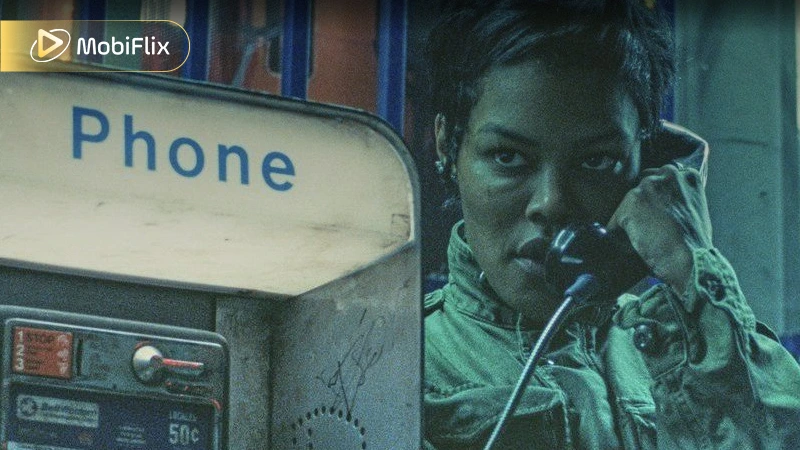
Perfidia Beverly Hills (Teyana Taylor)
Teyana Taylor portrays strength shaped by consequence. Her role blends toughness and fragility to give weight to the film’s personal stakes.
Willa Ferguson / Charlene Calhoun (Chase Infiniti): Bob and Perfidia’s daughter, whose disappearance drives the narrative tension.

Willa Ferguson / Charlene Calhoun (Chase Infiniti)
Chase Infiniti grounds the story’s urgency with a natural, unaffected presence that keeps the emotional focus personal rather than abstract.
Beyond the central ensemble, it features additional roles that fill out the world and sharpen narrative stakes, such as Wood Harris, Alana Haim, Paul Grimstad, and Shayna McHayle.
The casting of One Battle After Another balances star power and character specificity. The leads anchor the emotional stakes, while a strong supporting ensemble fleshes out the world’s ideological contours. This structure supports the film’s narrative focus on conflict, loyalty, and consequence without relying on superficial action tropes.
Reaction to One Battle After Another has been shaped largely by how closely viewer expectations align with its restrained approach. This cinema avoids dramatic escalation, and that choice has become the central point of discussion across reviews and audience feedback.

Reception: Reviews, Box Office & Industry Response
On IMDb, audience responses cluster around viewers who value performance-driven storytelling. Ratings skew higher among users who cite pacing, atmosphere, and character tension as strengths, while lower scores often reference the film’s refusal to deliver conventional action payoffs. The divide is less about quality than about genre expectations.
Critical reviews echo this split, but with more emphasis on craft. Commentators consistently point to the controlled direction, disciplined performances, and deliberate structure. Rather than comparing it to current blockbusters, critics tend to place this piece alongside other long-form, character-focused dramas where tone matters more than plot mechanics.
At the box office, its modest returns mirror its limited release strategy. It was never positioned for mass turnout, and its performance aligns with similar films that prioritize longevity and discussion over opening-week dominance. In that context, the numbers reinforce its identity rather than undermine it.
Following its theatrical run in late 2025, One Battle After Another is now widely available through digital rental, digital purchase, and physical media. As of early 2026, the film has not yet entered a major subscription streaming service, which aligns with its premium, distributor-controlled release strategy.
Digital Rental & Purchase Platforms
Viewers can rent or buy the film digitally on major storefronts, with availability varying slightly by region:
These platforms offer HD and 4K options, depending on device compatibility.
Physical Media
For collectors and viewers who prefer ownership, this movie is now available on physical formats 4K UHD Blu-ray and Standard Blu-ray. Physical editions began shipping on January 20, 2026, following the previously announced release schedule.
Subscription Streaming Status
This film has not been available on Netflix, Max, Prime Video (subscription), or Hulu. A subscription release may follow later, but no official date has been announced.
Availability can still differ by country and platform licensing. For the most accurate access, viewers should check their preferred digital storefront directly, especially outside the United States.
One Battle After Another is best suited for viewers who enjoy reflective storytelling and character-focused cinema. The film rewards patience and attention, making it appealing to audiences who value mood, performance, and thematic consistency over fast-paced plotting.
Who Will Enjoy This Film
This film suits viewers who value narrative structure, dialogue, and cumulative meaning over quick payoff. It appeals to audiences interested in director-driven cinema, literary adaptations, and stories that explore how personal choices and political ideas evolve over time.
Who Might Want to Skip It
Those looking for constant action, clear-cut resolutions, or traditional blockbuster energy may find the pacing challenging. The movie does not aim to entertain through spectacle, which may limit its appeal for casual viewing.
What lingers after One Battle After Another isn’t a single scene or performance, but how its characters quietly carry the weight of past choices. Seeing familiar actors disappear into fractured identities gives the film an unsettled aftertaste. It’s not designed to feel finished when the credits roll. Instead, it invites you to sit with its conflicts a little longer and decide which ones still echo.
Explore more exclusive reviews and cinematic insights at Mobiflix.

Apr 21, 2026

Apr 21, 2026

Apr 21, 2026
Apr 21, 2026
Apr 09, 2026
Apr 07, 2026